
Medical Facilities
Available

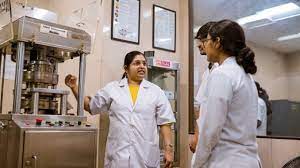
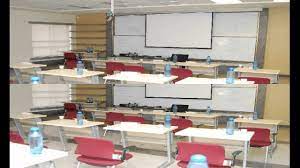
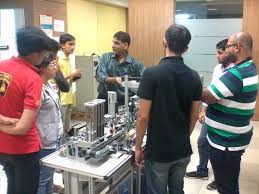
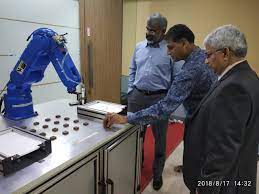
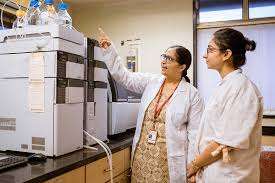
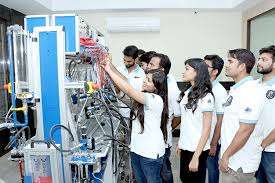
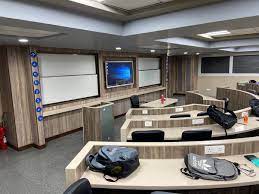
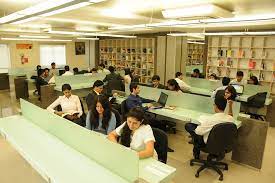
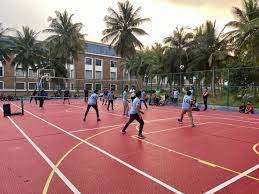
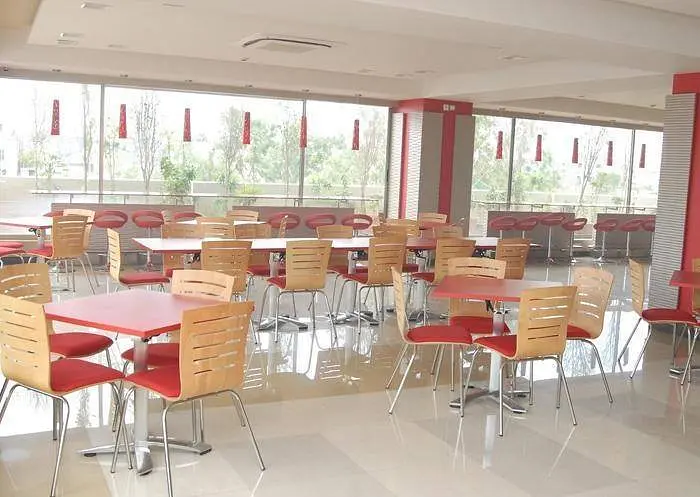
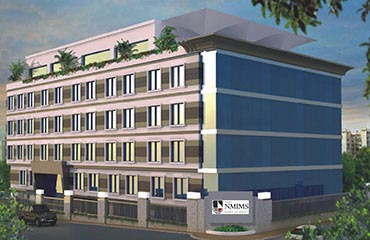
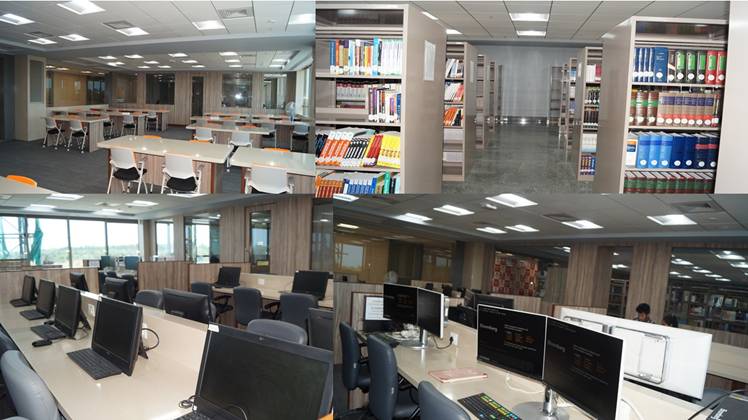
Narsee Monjee Institute of Management Studies (NMIMS) Hyderabad is a prominent higher-education institution in Telangana, established in 2010 and operating under the wider NMIMS University system. The campus is located at Jadcherla, about 75–90 km from central Hyderabad, and spans a 90-acre fully residential site with modern academic and sports infrastructure. It offers a variety of undergraduate and postgraduate programs across disciplines such as management, commerce, technology management & engineering, pharmacy, science, economics, law, and more, with faculty drawn from both academia and industry to balance theory with practical skills. The campus also features student-friendly facilities such as Wi-Fi classrooms, well-equipped labs, a comprehensive library, and hostel accommodations integrated into a vibrant academic environment.
Key highlights of the initiative:
Academically, NMIMS Hyderabad focuses on creating industry-ready graduates with a strong grounding in their chosen fields. For example, the School of Technology Management & Engineering offers B.Tech programs in areas like Computer Engineering and Data Science with ties to major online learning platforms and regular skill-building events. The diverse curriculum and industry collaborations are designed to enhance both hard technical knowledge and soft professional skills. Students also benefit from cultural and extracurricular activities that support personal growth alongside academic learning.

Students at NMIMS Hyderabad can apply for various official national scholarship schemes as per government norms. These are not directly funded by the college, but are recognised and facilitated through the campus academic office:
The NMIMS official scholarship policy mentions internal academic awards that students may be eligible for:

| SCHOOL | PROGRAMMES OFFERED (Official – NMIMS Hyderabad) |
|---|---|
| School of Business Management (SBM) |
|
| School of Technology Management & Engineering (STME) |
|
| School of Pharmacy & Technology Management (SPTM) |
|
| Kirit P. Mehta School of Law |
|
| School of Commerce |
|
| School of Economics |
|

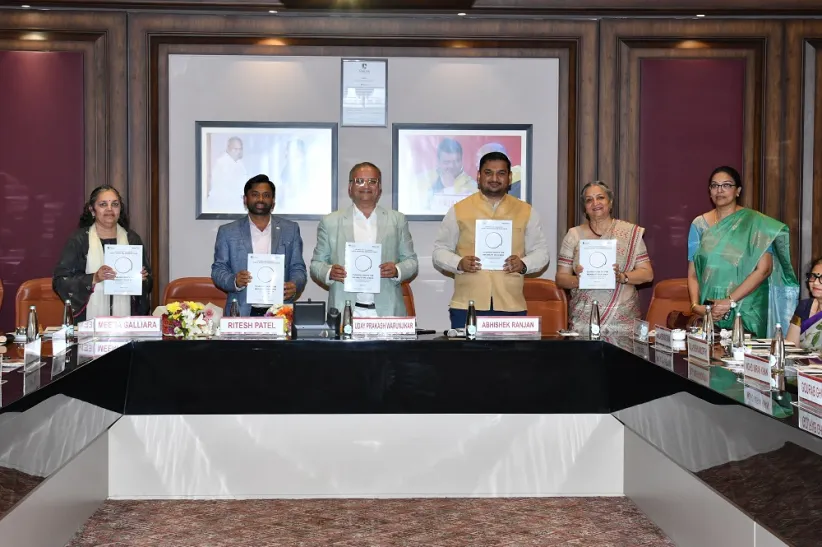
NMIMS Unveils Disability Inclusion Policy with Mirae Asset Foundation Support
Mumbai, April 2026: SVKM’s NMIMS, with support from the Mirae Asset Foundation, announced the release of its policy guidance note, “Enabling Equity for Disability Inclusion – An ESG Perspective,” marking an important step towards strengthening disability inclusion within India’s sustainability and governance efforts.
Led by the School of Business Management (SBM) and supported by Sarla Anil Modi School of Economics (SAMSOE), Kirit P. Mehta School of Law (KPMSOL), Mukesh Patel School of Technology Management and Engineering (MPSTME), Balwant Sheth School of Architecture (BSSA), and the Jyoti Dalal School of Liberal Arts (JDSOLA), the Disability Inclusion Project 2026 reflected a strong interdisciplinary effort. Anchored by the Disability Inclusion Conclave and Research Symposium (January 2026), the initiative brought together academia, policymakers, corporates, civil society, and persons with disabilities to bridge the gap between policy intent and implementation.
The conclave featured noted voices including Nilesh Singit, disability rights advocate and accessibility consultant; Malini Chib, Founder, ADAPT Foundation; Ketan Kothari, accessibility expert and inclusion advocate; and Ketna Mehta, Founder, Nina Foundation, among others, representing lived experiences, advocacy, and sectoral expertise. Discussions centred on inclusive education, workplace participation, accessibility, and systemic barriers, reinforcing the need for outcome-driven frameworks.
The policy guidance note synthesised empirical research, field insights, and stakeholder perspectives. It adopted a lifecycle approach to inclusion, from early education to ageing, while highlighting intersectional challenges related to gender, poverty, and geography. The framework outlined eight priority areas, including healthcare, education, workplace inclusion, digital accessibility, and built environments, aligned with ESG principles and accountability mechanisms.
Adv. Dr. Uday Prakash Warunjikar, Bombay High Court & Vice President, The Bar Association of India emphasised the need for implementation-driven inclusion, stating, “While India has made significant progress through the Rights of Persons with Disabilities Act, the gap between policy and practice continues to persist. True inclusion requires more than legal provisions. It demands accessibility in education, employment, and everyday systems. With nearly 10% of the population across Asia estimated to be persons with disabilities, the scale of inclusion required is far greater than current frameworks reflect. From challenges in online learning during the pandemic to barriers in competitive examinations, the need for practical, empathetic implementation is evident. These initiatives demonstrate how collaborative efforts can help bridge this gap and create enabling ecosystems for meaningful participation.”
Mr. Ritesh Patel, Board of Director and Chief Risk Officer, Mirae Asset Foundation highlighted the importance of translating intent into action, adding, “It is encouraging to witness how this initiative has evolved from intent to tangible action over a short period of time. What began as a collaborative effort has translated into meaningful dialogue, research, and now a policy guidance framework that has the potential to drive real change. Inclusion cannot remain a theoretical construct, it must be practical, participative, and grounded in lived experiences. This guidance note is a step in that direction, offering actionable insights that can create impact across sectors. We are proud to have contributed to this journey and remain hopeful that it will lead to sustained progress and measurable outcomes in advancing disability inclusion.”
The initiative was further strengthened through on-ground interventions such as legal aid camps, accessibility workshops, assistive technology hackathons, inclusive festivals, and community engagement programmes, generating critical insights while fostering student and faculty engagement.
Addressing the gathering, Dr. Abhisekh Ranjan, Pro Vice Chancellor, SVKM’s NMIMS, said, “Disability inclusion must move beyond intent to measurable impact. This initiative reflects NMIMS’ commitment to embedding inclusion within institutional thinking, policy frameworks, and industry practices. Through the Disability Inclusion Conclave, research symposium, and on-ground interventions, a strong foundation for evidence-based policy and action has been created. By bringing together diverse stakeholders and fostering interdisciplinary collaboration, the effort has generated meaningful insights into key challenges and opportunities. Aligning disability inclusion with ESG principles ensures that equity becomes measurable and accountable, contributing to sustainable and inclusive development while enabling scalable, long-term impact across sectors.”
Endorsed by the Divyang Kalyan Vibhag, Government of Maharashtra, the guidance note aligned with BRSR and the United Nations Sustainable Development Goals, reinforcing the need for collaborative, measurable action across sectors.
Established in 1981, the School of Business Management (SBM), NMIMS is one of India's leading business schools and a constituent of Narsee Monjee Institute of Management Studies, which became a Deemed-to-be University in 2003.
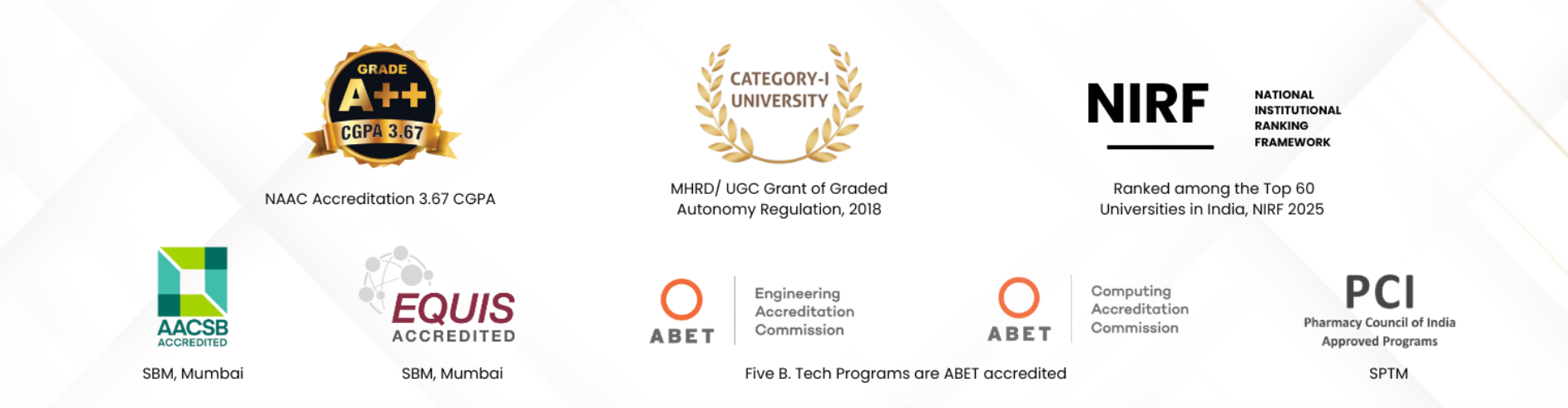
Ranked 24th in the Management category by the National Institutional Ranking Framework (NIRF) 2025, SBM is recognized for academic excellence, strong industry engagement, and leadership development. The school holds prestigious international accreditations from EFMD Quality Improvement System (EQUIS) and Association to Advance Collegiate Schools of Business (AACSB), reflecting its commitment to global standards in management education.
With over four decades of legacy, SBM continues to nurture future-ready leaders through rigorous academics, research-driven pedagogy, and a dynamic learning ecosystem.
Mirae Asset Foundation was established in 2018 as the Corporate Social Responsibility arm of Mirae Asset Financial Group in India. The Foundation primarily works across several areas of educational development in India. MAF's charitable work in India ranges from providing scholarships for students at all levels of education to working on educational initiatives with institutional partnerships, including schools, colleges, government agencies, civil society organizations, and other entities.
Its vision is to provide access to better education and improved quality learning. MAF believes that education can be an empowering force that can transform society for the better.