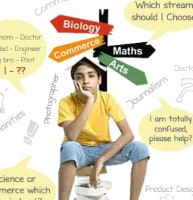
Design education is expanding beyond traditional drawing, graphics, and aesthetics. Today, designers work across digital products, gaming, animation, advertising, branding, visual communication, retail spaces, and emerging technologies. For students who want to build a career in the creative industries, choosing an institution that combines design fundamentals with professional exposure can make an important difference.
École Intuit Lab Mumbai, established in 2011 as the first École Intuit Lab campus in India, offers a design-focused learning environment in the heart of Mumbai. The campus is located in Prabhadevi and connects students with a city known for advertising, media, entertainment, business, technology, and creative industries. The institute’s academic approach combines design learning, studio practice, real-world projects, professional faculty, internships, and international opportunities.
Ready to take the next step?
- A Design School Located in Mumbai’s Creative Ecosystem
- Choosing the Right Design Specialisation
- Visual Communication and Digital Design
- Digital Products, Gaming and Animation
- Designing Physical and Immersive Experiences
- Learning Through Studios, Projects and Industry Practice
- International Learning and the France Pathway
- Faculty, Professional Exposure and Career Directions
- Admissions and Choosing a Creative Career Path
- Final Thoughts
- Frequently Asked Questions

1. A Design School Located in Mumbai's Creative Ecosystem
Mumbai provides a distinctive environment for students interested in creative careers. As a major centre for advertising, media, entertainment, business, and digital activity, the city offers exposure to a wide variety of creative industries. École Intuit Lab Mumbai is located at DGP House, 4th Floor, 88C Old Prabhadevi Road, Prabhadevi, Mumbai, placing the campus within the city’s broader professional and creative ecosystem.
The Mumbai campus was founded in 2011 and is the first Indian campus of École Intuit Lab. The institute describes its approach as one that encourages reflection, learning, and an understanding of design and the digital space. Rather than treating design only as a visual discipline, the learning environment connects creative thinking with professional applications and contemporary digital practices.
For students, this Mumbai location can be particularly relevant when exploring careers where design interacts with advertising, digital products, entertainment, branding, communication, and technology. The surrounding professional environment can complement classroom and studio learning by exposing students to the kinds of creative challenges found in the industry.
2. Choosing the Right Design Specialisation
One of the important features of École Intuit Lab’s academic portfolio is the range of specialised design pathways available to students. Instead of pursuing a broad design education without a clear direction, students can explore areas connected with their individual interests, from communication and digital products to gaming, animation, and spatial design.
The institute’s current programme portfolio includes undergraduate programmes in Multimedia & Visual Communication and Digital Design, Multimedia & Digital Product Design, Multimedia & Game Art and Design, Multimedia & Animation and Motion Design, and Multimedia & Retail and Interior Design. It also lists an Integrated Master’s Diploma and postgraduate options in Advertising, Design & Digital Communication and Creative Technology.
| Programme Area | Key Creative Focus | Possible Career Directions |
|---|---|---|
| Visual Communication & Digital Design | Branding, graphics, typography, communication | Graphic Designer, Art Director, Brand Strategist |
| Digital Product Design | UI/UX, digital products, user experience | UI/UX Designer, UX Researcher, Digital Product Designer |
| Game Art & Design | Game worlds, characters, visual storytelling | Game Artist, Level Designer, 3D Artist |
| Animation & Motion Design | Animation, motion graphics, visual narratives | Animator, Motion Designer, VFX Artist |
| Retail & Interior Design | Spatial, retail and brand experiences | Spatial Designer, Interior Architect, Experience Designer |
| Advertising, Design & Digital Communication | Branding, advertising and communication strategy | Creative Director, Brand Strategist, Visual Designer |
This variety allows students to think about their preferred career direction before selecting a programme. It also reflects how the modern creative industry has expanded into multiple specialised professional roles.
3. Visual Communication and Digital Design
Visual Communication and Digital Design is a four-year undergraduate pathway designed for students interested in communicating ideas through visual language. The programme combines theoretical classes, studio classes, real-world projects, and two industry internships, creating a learning structure that goes beyond classroom-based design theory.
The programme can lead towards areas such as art direction, digital design, brand strategy, graphic design, typography, advertising, illustration, and communication. Students can therefore develop an understanding of how visual identities are created and how design communicates messages across different platforms.
The course also reflects the changing relationship between design and technology. As brands increasingly communicate through websites, applications, social media, digital campaigns, and interactive experiences, designers need to understand both visual principles and digital environments. École Intuit Lab’s approach gives students opportunities to develop these skills through studio practice, projects, workshops, and professional exposure.
For students interested in branding, graphic design, advertising, communication, or art direction, this pathway can provide a structured starting point for developing a professional design portfolio.
Ready to take the next step?
4. Digital Products, Gaming and Animation
Creative careers are no longer limited to advertising agencies and traditional graphic design studios. Digital products, gaming, animation, and entertainment have created specialised roles where designers combine artistic thinking with technology and user experience.
The Digital Product Design programme focuses on conceptual and technical training for students interested in understanding the digital product lifecycle. Career directions listed by École Intuit Lab include UI/UX Designer, Web Designer, UI/UX Researcher, UI/UX Strategist, and UX Architect.
The Game Art & Design programme is another specialised four-year pathway. It introduces students to the game development process and areas such as visual storytelling, character development, interactive worlds, and production. The institute also highlights its association with Ubisoft in the Mumbai programme information. Potential career roles include Game Artist, Animator, 3D Modelling professional, Level Designer, and Storyboard Artist.
Animation and Motion Design provides another creative direction for students interested in visual narratives and digital entertainment. With animation increasingly used across films, advertising, social media, gaming, branded content, and digital platforms, the field offers multiple possibilities for creative professionals.
5. Designing Physical and Immersive Experiences
Design also extends beyond screens. Retail spaces, exhibitions, events, public environments, and branded spaces require professionals who understand how people interact with physical environments.
École Intuit Lab’s Multimedia & Retail and Interior Design programme is a four-year undergraduate pathway focused on creating meaningful and commercially relevant spaces. The programme can prepare students for areas such as interior architecture, spatial design, retail and brand experience, exhibitions, events, set and scenography design, and public-space experiences.
This approach is particularly relevant as brands increasingly use physical environments as part of their identity. Retail stores, exhibitions, pop-up experiences, hospitality spaces, and events can all become platforms for storytelling and customer engagement.
The institute also offers a Diploma in Experiential Design in collaboration with Jio Creative Labs. The one-year industry-integrated programme combines spatial design, storytelling, digital media, interactive technologies, and AI-powered creative workflows, with live projects and industry mentorship.
6. Learning Through Studios, Projects and Industry Practice
A major part of design education is learning how to turn an idea into a finished piece of work. École Intuit Lab’s academic model therefore combines theoretical learning with studio work, workshops, client projects, internships, and professional interaction.
The institute describes its overall approach as an industry-first model, with professional faculty, regular workshops, exchange programmes, and compulsory local and international internships. Its current website reports 98% job placement immediately after graduation, while the Mumbai admissions page states that 98% of graduates found a job within six months. These are institution-reported figures.
For undergraduate students, the programmes can include frequent real-world projects and two industry internships. This type of learning gives students opportunities to understand deadlines, client requirements, feedback, collaboration, presentation, and professional standards alongside creative skills.
The importance of this approach becomes clearer when building a portfolio. Employers in creative industries often evaluate what a candidate can actually create, how they approach problems, and how they communicate their ideas. Project-based learning can therefore help students gradually build a body of work that demonstrates their creative and technical capabilities.
7. International Learning and the France Pathway
Design is an international profession, with creative agencies, studios, brands, technology companies, and cultural organisations operating across countries. École Intuit Lab incorporates international opportunities into its broader academic model through exchanges, travel, internships, international faculty, professionals, and clients.
One distinctive option is the Integrated Master’s Diploma, which combines undergraduate study in India with postgraduate study in France. The institute currently describes it as a five-year 3+2 pathway in Art Direction, Graphics, Digital and Visual Communication Design, taught in English during the France portion.
The Mumbai admissions information further describes a structure involving three years of undergraduate studies in India, postgraduate studies in France, and a fifth-year paid co-op arrangement in France. The institute states that its France portion is offered in collaboration with the Government of France and that the co-op remuneration is intended to cover the tuition cost for the relevant years, subject to the programme’s applicable conditions. Students should verify the latest terms directly with École Intuit Lab before applying.
Such opportunities can help students experience different design cultures while developing an international academic and professional profile.
Ready to take the next step?
8. Faculty, Professional Exposure and Career Directions
Design education benefits from interaction with people who understand both creative theory and professional practice. École Intuit Lab brings together designers, artists, writers, technologists, programmers, sociologists, and other creative professionals within its academic ecosystem.
The Mumbai admissions page also highlights industry professionals among its faculty and collaborators, including designers and creative leaders working in areas such as studios, gaming, advertising, and communication. This professional orientation allows students to encounter different perspectives on how design is practised outside the classroom.
Career possibilities vary according to the programme selected. Students may move towards roles such as graphic designer, visual designer, art director, brand strategist, UI/UX designer, UX researcher, game artist, animator, 3D artist, motion designer, spatial designer, creative technologist, or immersive experience designer.
This diversity is useful for students who know they want a creative career but have not yet decided whether their interests lie in branding, digital products, gaming, animation, advertising, spatial design, or creative technology.
9. Admissions and Choosing a Creative Career Path
Admissions for 2026 are currently being promoted by École Intuit Lab Mumbai across undergraduate and postgraduate programmes. The institute’s Mumbai admissions information highlights programmes including Visual Communication, Digital Product Design, Game Art & Design, Animation & Motion Design, Retail & Interior Design, the Integrated Master’s Diploma, and postgraduate Advertising, Design & Digital Communication.
Students choosing a programme should first identify the kind of work they enjoy creating. Those interested in branding, illustration, graphic design, and communication can explore Visual Communication. Students interested in websites, applications, interfaces, and user experiences may prefer Digital Product Design. Those attracted to gaming can consider Game Art & Design, while students interested in moving images and visual storytelling can explore Animation & Motion Design.
Applicants should also consider the difference between undergraduate and postgraduate study, the duration of each programme, internship structure, portfolio expectations where applicable, and international opportunities. Admission requirements and programme details can change, so applicants should confirm the latest criteria and application process directly with the institute before submitting an application.
Admissions Open 2026 — Explore École Intuit Lab Mumbai and choose a design pathway aligned with your creative interests.
10. Final Thoughts
École Intuit Lab Mumbai offers students an opportunity to approach design as a professional discipline that connects creativity with technology, communication, business, entertainment, and real-world experiences. Its location in Mumbai adds another dimension to the learning environment by placing students in one of India’s major creative and commercial centres.
With specialised pathways covering visual communication, digital product design, game art, animation, retail and interior design, advertising, and creative technology, students can explore different directions within the expanding creative economy. The combination of studio learning, projects, internships, professional interaction, and international opportunities can help students gradually develop both creative capability and professional confidence.
For students who want a career where design meets technology, storytelling, branding, digital experiences, gaming, or spatial environments, École Intuit Lab Mumbai provides several specialised routes to explore.
11. Frequently Asked Questions
Q1. What is École Intuit Lab Mumbai known for?
Ans: École Intuit Lab Mumbai is known for design, digital innovation, and creative strategy education. Established in 2011 as the first École Intuit Lab campus in India, it combines academic learning with studio practice, real-world projects, professional exposure, and international opportunities.
Q2. Which undergraduate programmes are available at École Intuit Lab Mumbai?
Ans: Current Mumbai programme information includes Multimedia & Visual Communication and Digital Design, Multimedia & Digital Product Design, Multimedia & Game Art and Design, Multimedia & Animation and Motion Design, and Multimedia & Retail and Interior Design.
Q3. Does École Intuit Lab Mumbai offer UI/UX design?
Ans: Yes. Its Multimedia & Digital Product Design programme focuses on digital products and user experiences and can lead to career roles such as UI/UX Designer, UI/UX Researcher, UI/UX Strategist, and UX Architect.
Q4. Does École Intuit Lab Mumbai offer Game Art and Design?
Ans: Yes. The four-year Game Art & Design programme covers the game development process and areas such as visual storytelling, character development, interactive worlds, and production. The Mumbai programme information also highlights the institute’s association with Ubisoft.
Q5. Is Animation and Motion Design available at the Mumbai campus?
Ans: Yes. École Intuit Lab lists a four-year Multimedia & Animation and Motion Design undergraduate programme among its current programmes.