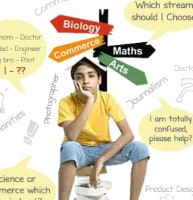
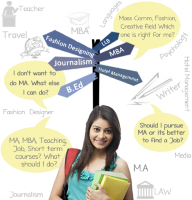
Choosing a design college after Class 12 can be confusing because the word “design” covers many different career directions. A student may be interested in fashion, another may want to design products, while someone else may prefer animation, communication, interiors or strategic design. The right design programme therefore depends not only on the reputation of an institute but also on its curriculum, specialisations, learning environment, industry exposure and the freedom students get to explore different interests.
ISDI School of Design & Innovation, part of ATLAS SkillTech University, Mumbai, offers a four-year B.Des ecosystem covering multiple design disciplines. Its current undergraduate portfolio includes Communication Design, Fashion Design, Fashion Communication & Styling, Interior Design, Product Design, Animation & VFX and Strategic Design Management. ISDI also highlights minors, electives, multidisciplinary learning, global exposure and industry interaction as part of the student experience.
The school is located at Bandra-Kurla Complex (BKC), Mumbai, placing students within a major business and creative ecosystem. ISDI also states that its curriculum development has received support from Parsons School of Design, New York, with the relationship extending for more than a decade.
For students researching B.Des courses after 12th, ISDI can therefore be explored not simply as a design degree provider, but as an environment where specialisation, interdisciplinary learning, professional exposure and global perspectives come together.
Admissions & Application Information for the Current Cycle
Explore Design. Build Your Skills. Shape Your Future at ISDI.
Ready to take the next step?
- What Makes ISDI’s B.Des Approach Different for Students After 12th?
- Which B.Des Specialisations Are Available at ISDI?
- How ISDI’s Minors and Electives Can Help Students Build a Hybrid Skill Set
- B.Des Eligibility at ISDI: Can Students From Any Stream Apply?
- ISDI B.Des Admission Process: Aptitude Test, Portfolio and Interview
- How to Prepare a Strong Portfolio for ISDI B.Des Admission
- Why Mumbai and BKC Can Become Part of the Design Learning Experience
- How Global Exposure and Parsons Collaboration Add an International Dimension
- ISDI B.Des Fees, Scholarships and Financial Planning
- Career Scope After B.Des at ISDI: From Designer to Multidisciplinary Creative Professional
- Final Thoughts: Is ISDI School of Design & Innovation Worth Exploring in 2026?
- Frequently Asked Questions

1. What Makes ISDI's B.Des Approach Different for Students After 12th?
A B.Des degree is most useful when students get opportunities to move beyond classroom theory and actually develop, test and communicate ideas.
ISDI describes its design education around experiential learning, industry exposure, multidisciplinary collaboration and hands-on projects. Its official school page states that design is treated as an active process rather than a spectator activity, while the curriculum allows students to combine their main specialisation with minors and electives from other areas.
This can be particularly useful for students who enter college with broad interests. A fashion student may want to understand digital media. A product design student may want to explore technology. A communication design student may become interested in data or emerging media.
Instead of forcing students to remain within one narrow academic boundary, ISDI’s current structure provides multiple opportunities to develop complementary skills.
The learning model can involve:
- Studio-based projects
- Design research
- Industry interaction
- Workshops and masterclasses
- Interdisciplinary collaboration
- Portfolio development
- Minors and electives
- Global exposure
- Practical projects
For students who want their design education to evolve as their interests develop, this flexibility can become an important part of the undergraduate experience.
2. Which B.Des Specialisations Are Available at ISDI?
One of the first questions students usually ask is “Which B.Des course should I choose after 12th?” The answer depends heavily on the type of creative work they enjoy.
ISDI’s current undergraduate information lists seven major B.Des pathways: Communication Design, Fashion Design, Fashion Communication & Styling, Interior Design, Product Design, Strategic Design Management and Animation & VFX.
| B.Des Specialisation | Main Focus | Possible Career Directions |
|---|---|---|
| Communication Design | Visual communication, storytelling, branding and digital media | Communication Designer, Brand Designer, Visual Designer |
| Fashion Design | Apparel, fashion systems, creativity and emerging technologies | Fashion Designer, Fashion Entrepreneur, Creative Lead |
| Fashion Communication & Styling | Fashion storytelling, styling, media and content | Fashion Stylist, Fashion Editor, Creative Producer |
| Interior Design | Spaces, materials, environments and experiences | Interior Designer, Spatial Designer, Experience Designer |
| Product Design | Products, usability, materials, technology and problem-solving | Product Designer, Innovation Designer, Design Strategist |
| Strategic Design Management | Design strategy, innovation and business | Design Strategist, Innovation Consultant, Brand Manager |
| Animation & VFX | Animation, visual storytelling and digital production | Animator, VFX Artist, Motion Designer |
The specialisation should be selected according to the student’s interests rather than simply choosing the programme that sounds most popular.
3. How ISDI's Minors and Electives Can Help Students Build a Hybrid Skill Set
Modern design careers increasingly cross traditional boundaries. A designer may work with technology, business, marketing, data or social innovation depending on the project.
ISDI’s current academic structure allows B.Des students to select minors and electives alongside their core specialisation. The school highlights more than 20 programme electives from the second year and more than 30 cross-domain ATLAS electives that allow students to explore areas outside their main discipline.
The available minor areas include themes such as:
- Tech, AI & Emerging Experiences
- Digital Media & Communication
- Human-Centered and Social Design
- Creative Arts & Lifestyle
- Digital Strategies
- Universal Design
- Textile Design
- Mobile Game Design
- Data-Driven Design
- Virtual Environments
- Concept Art & World Building
- Creative Computing
This structure can help students create combinations that reflect their career interests.
For example, a Product Design student could explore creative computing, while a Fashion student could study digital media or textile design. A Communication Design student could explore data-driven design or emerging media.
The result can be a more personalised academic profile rather than a degree that looks identical to every other student’s qualification.
4. B.Des Eligibility at ISDI: Can Students From Any Stream Apply?
Students from Arts, Commerce and Science backgrounds often wonder whether they can apply for a design degree.
ISDI’s current B.Des admissions page states that applicants from Indian boards such as ISC, CBSE and State Boards require an aggregate of 50% marks in Grade XII in any discipline. Equivalent pathways are also listed for A-Levels and International Baccalaureate students.
This means students do not necessarily need to come from a traditional arts background to pursue B.Des.
A Science student interested in Product Design or Animation can explore design just as a Commerce student can consider Communication Design or Strategic Design Management.
What matters is whether the student is genuinely interested in creative problem-solving and is prepared to develop design skills.
Before applying, students should check:
- Class 12 percentage requirement
- Board eligibility
- Programme-specific conditions
- Design aptitude requirements
- Portfolio requirements
- Interview process
- Application deadlines
Students should always verify the latest admission policy because requirements can change between admission cycles.
Ready to take the next step?
5. ISDI B.Des Admission Process: Aptitude Test, Portfolio and Interview
Design admission is different from simply filling out an academic application form. Students are generally expected to demonstrate creativity, design thinking and the ability to communicate their ideas.
For the current B.Des admission cycle listed by ISDI, the process consists of application submission, Design Aptitude Test, portfolio review, personal interview and final selection.
ISDI B.Des Admission Journey
1. Application Form
Students submit their application through the online admissions process.
2. Design Aptitude Test
The aptitude assessment is intended to evaluate creative and design-oriented thinking.
3. Portfolio Review
Students present selected creative work to communicate their interests and capabilities.
4. Personal Interview
The interview gives applicants an opportunity to explain their interests, ambitions and reasons for choosing design.
5. Final Selection
Selected applicants receive an offer letter and proceed with the acceptance and enrolment process.
This means applicants should prepare for the complete process rather than focusing only on their Class 12 marks.
6. How to Prepare a Strong Portfolio for ISDI B.Des Admission
A portfolio can be one of the most useful ways for a design applicant to demonstrate creativity.
Students often assume that a portfolio needs to contain only highly polished professional work. For an undergraduate applicant, however, the portfolio can also communicate curiosity, experimentation, observation and personal interests.
A student can include:
- Sketches and illustrations
- Photography
- Posters and visual compositions
- Fashion experiments
- Product sketches
- 3D models
- Digital artwork
- Typography experiments
- Animation or motion projects
- UI/UX concepts
- Personal creative projects
- School design projects
The strongest portfolio is not necessarily the one containing the largest number of images. It should show how the student thinks.
For example, if a student redesigns a chair, the portfolio can show the initial observation, sketches, research, alternative concepts, material choices and final design. This gives the reviewer a better understanding of the student’s creative process.
ISDI’s current admissions information specifically includes portfolio review as a stage of the B.Des admission process.
7. Why Mumbai and BKC Can Become Part of the Design Learning Experience
Location can influence the kind of exposure students receive outside the classroom.
ISDI is located in Bandra-Kurla Complex, Mumbai, an important business district surrounded by corporate organisations, creative businesses and professional networks. The university itself highlights location as an important part of the learning experience.
For design students, Mumbai can provide exposure to multiple creative industries.
Fashion students can observe the city’s fashion ecosystem. Communication students can explore advertising and media. Product designers can encounter consumer brands and innovation-led businesses. Animation and media students can access a city with a large entertainment and production ecosystem.
ISDI also highlights industry interaction, live projects, workshops, competitions and professional networking as part of the student experience. Its campus information mentions design studios, fashion labs, product workshops, digital and UX labs and maker spaces.
This can make the city itself an additional source of learning and observation.
8. How Global Exposure and Parsons Collaboration Add an International Dimension
Design is an international profession. Visual languages, products, fashion, technology and creative industries frequently operate across countries.
ISDI states that its curriculum development has been supported by Parsons School of Design, New York, with the academic relationship extending for more than 13 years. The school describes this collaboration as influencing its curriculum, teaching methodologies and global outlook.
ISDI also highlights internationalisation through global immersions across 10+ countries and 5 continents, along with more than 60 university and institutional collaborations.
The school describes opportunities such as international workshops, visiting faculty, global university interactions and immersion experiences.
These experiences can help students understand that design problems are not always limited to one local market.
For students interested in international careers, such exposure can complement their academic learning by introducing different design cultures, professional practices and ways of thinking.
Ready to take the next step?
9. ISDI B.Des Fees, Scholarships and Financial Planning
Cost is an important part of choosing a design college, particularly because a four-year design programme can involve tuition, materials, software, accommodation and other expenses.
ISDI’s current B.Des admissions page lists the programme duration as four years. For the intake currently displayed on the admissions page, the listed application fee is ₹3,500, enrolment fee is ₹50,000 and Year 1 fee is ₹7,03,500. The university notes that fees are indicative and subject to change.
Current Fee Information Displayed by ISDI
| Fee Component | Amount |
|---|---|
| Application Fee | ₹3,500 |
| Enrolment Fee | ₹50,000 |
| Year 1 B.Des Fee | ₹7,03,500 |
| Programme Duration | 4 Years |
Students should not multiply the first-year fee mechanically to calculate the complete four-year cost, because the official page states that the fee structure is indicative and the yearly fee schedule should be checked before admission.
ISDI also lists merit-based and talent scholarships, special-category scholarships, and need-based/support scholarships. Financial assistance can include tuition fee waivers and interest-free loan support, subject to the applicable conditions.
Students should therefore calculate the complete cost of attendance before making a final decision.
10. Career Scope After B.Des at ISDI: From Designer to Multidisciplinary Creative Professional
A B.Des degree can lead to many different careers depending on the student’s specialisation and portfolio.
ISDI’s current programme ecosystem connects design education with areas such as fashion, communication, interiors, product innovation, animation, VFX and strategic design management. Its Product Design programme, for example, highlights careers such as design strategist, innovation consultant, brand manager, creative director, UX researcher, experience designer and social impact designer.
Possible career directions include:
| B.Des Area | Potential Career Roles |
|---|---|
| Communication Design | Visual Designer, Brand Designer, Communication Designer, Art Director |
| Fashion Design | Fashion Designer, Creative Lead, Fashion Entrepreneur |
| Fashion Communication & Styling | Fashion Stylist, Fashion Editor, Creative Producer |
| Interior Design | Interior Designer, Spatial Designer, Experience Designer |
| Product Design | Product Designer, Innovation Designer, Design Strategist |
| Strategic Design Management | Design Strategist, Innovation Consultant, Brand Manager |
| Animation & VFX | Animator, Motion Designer, VFX Artist, Visual Storyteller |
Career outcomes naturally depend on the student’s specialisation, portfolio, internships, software skills, communication ability and professional experience.
ISDI’s campus information also highlights internships with brands, live projects, workshops and industry interaction as part of the learning experience.
For students, this means the four-year degree can be used to progressively build a professional portfolio rather than waiting until graduation to start preparing for employment.
11. Final Thoughts: Is ISDI School of Design & Innovation Worth Exploring in 2026?
Choosing a design college is ultimately about finding the learning environment that matches the kind of designer a student wants to become.
ISDI School of Design & Innovation offers a broad B.Des ecosystem covering Communication Design, Fashion Design, Fashion Communication & Styling, Interior Design, Product Design, Strategic Design Management and Animation & VFX. Alongside these core pathways, its current academic structure allows students to explore minors, electives and cross-disciplinary areas such as AI, digital media, data-driven design, mobile game design, creative computing and virtual environments.
Its Mumbai location, industry-oriented approach, studio infrastructure, global exposure and long-running academic relationship with Parsons School of Design add further dimensions to the student experience.
For students after Class 12, the most important step is to identify the design specialisation that genuinely matches their interests and then compare its curriculum, admission process, portfolio requirements, fees, internships and career pathways.
One important admission update should also be noted: the current official ISDI B.Des admissions page, as of September 2026, is showing the July 2027 intake, with applications opened on 11 September 2026. The listed process includes the Design Aptitude Test, portfolio review and personal interview.
Students researching ISDI should therefore use the latest official admission page for deadlines and programme-specific requirements rather than relying on older 2026 admission dates.
ISDI 2026 offers students an opportunity to explore design through specialisation, experimentation, interdisciplinary learning and professional exposure while building the creative and strategic skills needed for an evolving design industry.
Explore. Experiment. Design. Build Your Future at ISDI.
12. Frequently Asked Questions
Q1. What is ISDI School of Design & Innovation?
Ans: ISDI School of Design & Innovation is the design school of ATLAS SkillTech University in Mumbai. It offers undergraduate and postgraduate design education across areas such as Communication Design, Fashion, Interior Design, Product Design, Strategic Design Management and Animation & VFX.
Q2. Which B.Des specialisations are available at ISDI?
Ans: ISDI currently lists seven major B.Des pathways: Communication Design, Fashion Design, Fashion Communication & Styling, Interior Design, Product Design, Strategic Design Management and Animation & VFX.
Q3. What is the eligibility for B.Des admission at ISDI?
Ans: The current B.Des admissions page states that applicants from Indian boards need 50% aggregate marks in Grade XII in any discipline. Equivalent requirements are also listed for A-Levels and International Baccalaureate applicants.
Q4. Is a portfolio required for ISDI B.Des admission?
Ans: The current B.Des admission process includes a portfolio review along with the Design Aptitude Test and personal interview. Students should prepare a portfolio that demonstrates their creative thinking, interests and design process.
Q5. What is the ISDI B.Des admission process?
Ans: The current process includes application submission, Design Aptitude Test, portfolio review, personal interview and final selection/offer letter.