BITS Design School
⚡ Official Campus Guide
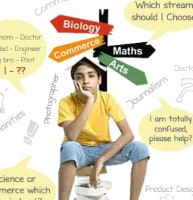
Choosing a design degree after Class 12 is not simply about deciding whether to study design. It is also about understanding what kind of designer you want to become. Some students are fascinated by physical products and everyday objects. Others enjoy digital interfaces, visual communication, user research or designing complete experiences. With technology increasingly influencing the way people interact with products and services, design careers are also becoming more specialised. BITS Design School (BITSDes), Mumbai, established by BITS Pilani, offers a four-year, full-time, fully residential Bachelor of Design (B.Des.) (Hons.) programme. The programme allows students to explore five broad areas: Physical Product Design, Digital Product Design (UX/UI), Design Research & Insights, Experience Design and Visual Design. The academic journey is structured around four stages—Experiment, Explore, Embrace and Expand—allowing students to begin with broad exposure before gradually developing deeper expertise. For students planning a design career, this creates an opportunity to discover their strengths before committing fully to a particular professional direction. Admissions 2026 Explore the Possibilities. Find Your Design Direction at BITS Design School.
🎓 Industry-Led Curriculum
📅 Admissions Open 2026
Admissions Open 2026
Ready to Take the Next Step at BITS Design School?
Get complete admission requirements, portfolio guidance, scholarship details, and fee structure directly from BITS Design School.
1
Why Choosing a Design Specialisation Matters
The five areas students can explore include:
| Design Specialisation | Areas of Exploration |
|---|---|
| Physical Product Design | Objects, furniture, appliances, consumer products, materials and prototyping |
| Digital Product Design | UX/UI, websites, mobile applications, digital interfaces and interactive products |
| Design Research & Insights | User research, behaviour, social contexts, insights and problem discovery |
| Experience Design | Services, environments, customer journeys, events and interactions |
| Visual Design | Branding, visual identity, layouts, digital assets, video and information visualisation |
This variety can help students understand which type of design work matches their interests before developing deeper expertise.
2
The Four-Year Programme Is Designed Around Progressive Learning
A design education can become more useful when students are not expected to specialise immediately. BITS Design School structures its B.Des. (Hons.) programme into four stages: Year 1 – Experiment, Year 2 – Explore, Year 3 – Embrace and Year 4 – Expand. The first year exposes students to the five design specialisations through hands-on experimentation. In the second year, students explore the area that most closely matches their interests. The third year allows them to go deeper into their chosen specialisation, while the fourth year expands their understanding through advanced topics and professional experiences. This progression allows students to gradually move from discovering design to developing a more defined professional identity. Instead of making a major career decision before experiencing different forms of design, students can use the early stages of the programme to discover what they enjoy.
3
Year One Gives Students Space to Experiment
The first year of design school can be important because students arrive with very different backgrounds. Some may already have experience with drawing, digital tools or creative projects. Others may be entering design education without formal training. BITS Design School’s first-year Experiment stage introduces students to different aspects of design through courses covering areas such as material studies, visualisation, prototyping, design languages and other foundational concepts. The purpose of this stage is to encourage curiosity and hands-on exploration. Students can experiment with different materials, understand how visual and physical forms work, explore design principles and begin discovering the kinds of problems they enjoy solving. This makes the first year less about having all the answers and more about asking better questions.
Admissions Open 2026
Ready to Take the Next Step at BITS Design School?
Get complete admission requirements, portfolio guidance, scholarship details, and fee structure directly from BITS Design School.
4
Digital Product Design Connects Creativity With Technology
Digital products have become part of everyday life. Banking applications, shopping platforms, educational tools, websites, entertainment services and connected products all require carefully designed digital experiences. The Digital Product Design (UX/UI) pathway focuses on designing digital products such as websites, mobile applications and interactive installations. Students exploring this direction can learn to think about both the visual and behavioural aspects of digital products. A successful interface is not only attractive; it also needs to be understandable, usable and responsive to user needs. This specialisation can be relevant to students interested in UX/UI design, product design, digital experiences, technology companies and startups. For students who enjoy both creativity and technology, digital product design can provide a pathway where design thinking directly interacts with digital development.
5
Physical Product Design Turns Ideas Into Real Objects
Not every design problem happens on a screen. Furniture, lighting, consumer electronics, accessories, appliances and everyday objects all require designers to think about form, materials, usability and manufacturing. The Physical Product Design pathway focuses on designing products across different scales and levels of complexity. Students explore areas such as aesthetics, branding, physical mock-ups, digital models, feasibility, production processes and technological considerations. This makes the specialisation relevant for students who enjoy making things tangible. Students interested in industrial design, product development, consumer products, furniture, lifestyle products and physical innovation can use this pathway to develop a combination of creative and practical skills. The ability to understand how an idea moves from concept to physical product can also help students appreciate the relationship between design, engineering and manufacturing.
6
Design Research Helps Students Understand People and Context
Sometimes the most important part of design is not creating the solution but understanding the problem. The Design Research & Insights pathway focuses on research and analysis from a design perspective. Students can investigate people, behaviours, contexts and stakeholder needs before deciding what kind of intervention might be useful. Research can involve both primary and secondary methods. Conversations with users, observation, surveys, contextual investigation and analysis can help designers identify patterns that may not be obvious at first. This specialisation can be relevant to students who enjoy investigation, psychology, social behaviour, analysis and problem-solving. It can also lead towards work with consulting organisations, think tanks, government projects, social-impact organisations, research teams and innovation groups where understanding people and contexts is central to the work.
7
Experience Design Looks at the Complete User Journey
A good experience is rarely created by one isolated interaction. Consider a hotel, airport, hospital, retail store or public service. A person’s experience can involve many different stages—from discovering the service to making a decision, using it and completing the interaction. Experience Design focuses on these broader journeys. Students can explore interactions involving products, processes, services, events and environments. Applications can include retail experiences, showrooms, events, public services, hospitality, mobility and healthcare. This makes experience design particularly relevant for students who enjoy understanding how different touchpoints connect together. Instead of asking only “How should this object look?”, students begin asking questions such as “How should the entire experience work?”
8
Visual Design Connects Brands, Information and Communication
Visual communication continues to play an important role in how organisations present themselves. Brands use visual identities, typography, imagery, videos, layouts and digital assets to communicate their values and create recognisable experiences. The Visual Design pathway allows students to explore visual identities, print media, 3D visualisations, videos, animations, digital products, infographics and data visualisation. This can be relevant to students interested in branding, communication design, advertising, digital media, visual identity and creative technology. The field also extends beyond traditional graphic design because visual designers increasingly work across websites, applications, social platforms, presentations, information systems and digital products.
9
Internships, Projects and Advanced Learning Build Professional Experience
Design education becomes more closely connected with professional practice when students have opportunities to work on projects and experience real-world constraints. BITS Design School’s four-year curriculum includes industrial projects, community projects, masterclasses and internships. These experiences can help students understand how design decisions change when working with actual users, organisations and practical limitations. The fourth-year Expand stage also introduces areas such as AR/VR, new materials, Web3 and starting a new business, according to the published 2026 programme information. These experiences can help students develop a broader understanding of how design interacts with emerging technologies, business and innovation. By the time students approach graduation, their academic projects and professional experiences can also contribute towards a portfolio that communicates their abilities to future employers or collaborators.
10
Final Thoughts, Fees, Admissions and FAQs
✦ Final Thoughts & Key Advice
A design degree can become more valuable when students are given enough space to discover what type of designer they want to become. BITS Design School provides this opportunity through a four-year residential B.Des. (Hons.) programme that introduces students to five different design directions before allowing them to develop deeper expertise. The programme combines foundation learning with experimentation, specialisation, projects, masterclasses, internships and exposure to emerging areas such as AR/VR, new materials and Web3. For students considering BITS Design School, the key question is therefore not simply whether they enjoy drawing or visual creativity. It is whether they enjoy understanding people, solving problems, experimenting with ideas and creating products, experiences or communication that serve a purpose.
📊 BITS Design School 2026 Fee Snapshot
| Fee Component | Published 2026 Amount |
|---|---|
| Year 1 Tuition Fee | ₹7,70,000 |
| Year 1 Residence Fee | ₹3,15,000 |
| Year 1 Tuition + Residence | ₹10,85,000 |
| One-Time Admission Fee | ₹40,000 |
| Security Deposit | ₹20,000 |
The published fee information states that residence fees include housing, meals and access to sports facilities. Fees may increase annually by up to 8%, while books and learning materials are additional. Students should verify the latest fee schedule directly before making financial plans. The 2026 application cycle listed an application fee of ₹2,500 and required applicants to have completed or be appearing for Class 12/equivalent with at least 45% aggregate marks. Applicants were required to have taken at least one of BITSDAT, UCEED or NID-DAT Prelims. The 2026 application deadline was February 1, 2026, so prospective applicants should monitor the official website for the next admission cycle. Students looking for broader university comparisons, career planning and admission guidance can explore CareerGuide.com. Students preparing for undergraduate entrance examinations and counselling can also explore CareerGuide CUET. Admissions 2026 Explore Your Strengths. Find Your Specialisation. Build Your Future in Design at BITS Design School.
Admissions Open 2026
Ready to Take the Next Step at BITS Design School?
Get complete admission requirements, portfolio guidance, scholarship details, and fee structure directly from BITS Design School.
❓ Frequently Asked Questions (FAQs)
Q1.
What programme does BITS Design School offer?
Ans: BITS Design School offers a four-year, full-time, fully residential Bachelor of Design (B.Des.) (Hons.) programme awarded by BITS Pilani.
Q2.
What are the five specialisations at BITS Design School?
Ans: Students can explore Physical Product Design, Digital Product Design (UX/UI), Design Research & Insights, Experience Design and Visual Design.
Q3.
Can students explore different design areas before specialising?
Ans: Yes. The four-year structure begins with broad experimentation and exploration before students move into deeper specialisation. The first year exposes students to all five design areas.
Q4.
What is taught in Digital Product Design?
Ans: Digital Product Design focuses on digital products such as websites, mobile applications and interactive installations, including their visual and behavioural qualities, prototyping and testing.
Q5.
What does Design Research & Insights involve?
Ans: The pathway focuses on research and analysis from a design perspective, including understanding users, stakeholders, contexts and opportunities through primary and secondary research methods.
Q6.
What is Experience Design?
Ans: Experience Design focuses on designing interactions across products, processes, services, events and environments, including customer journeys and experiences in areas such as retail, hospitality, mobility and healthcare.
Q7.
What is the BITS Design School 2026 fee?
Ans: The published 2026 fee schedule lists ₹7.70 lakh tuition and ₹3.15 lakh residence fee for Year 1, totalling ₹10.85 lakh before the one-time admission fee and security deposit. Fees may increase annually, so applicants should verify the latest schedule.
Q8.
What is the eligibility for BITS Design School?
Ans: For the 2026 admission cycle, applicants needed to have passed or be appearing for 10+2 or an equivalent qualification in any stream with at least 45% aggregate marks.
Q9.
Which entrance exams are accepted for BITS Design School?
Ans: For the 2026 cycle, applicants could apply through BITS Design Aptitude Test (BITSDAT), UCEED or NID-DAT Prelims. Shortlisted candidates subsequently went through portfolio evaluation and an online interview.
Q10.
What kind of careers can students explore after BITS Design School?
Ans: Career directions can include Product Designer, UX/UI Designer, Experience Designer, Visual Designer, Design Researcher, Product Manager, Information Architect and consulting or strategy-related design roles. Career outcomes depend on the student’s specialisation, portfolio, projects, internships and professional experience.