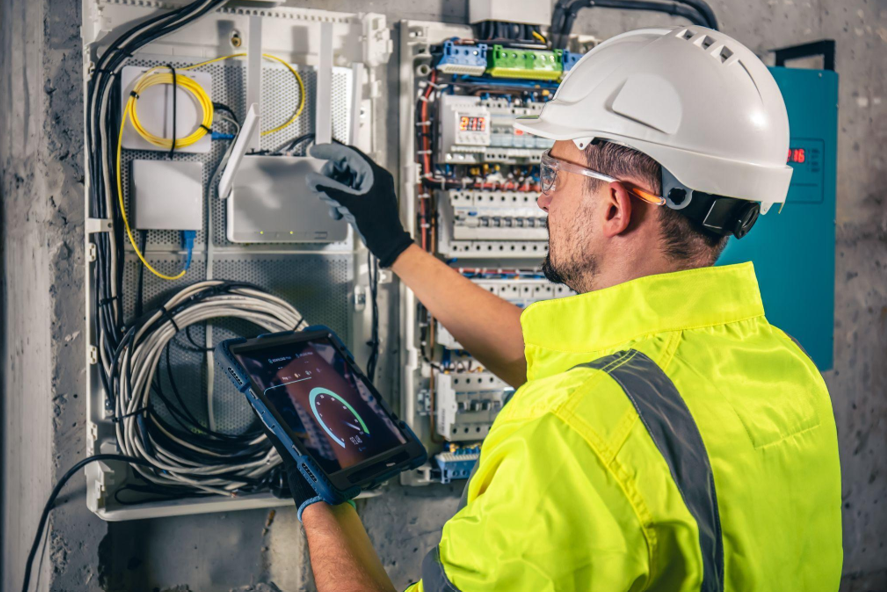
The need for electricians in California has been going up for a few years now. This is because of all the new buildings and homes being built and the states focus on using energy. California is a place with a lot of opportunities for electricians who know what they are doing.
Electricians make sure that people have electricity in their homes, offices and schools. They do work that keeps people safe. Because of this California has rules that electricians must follow to get certified. They need to go to school get trained and get certified before they can work as electricians.
If you want to be an electrician in California this guide will help you. It will tell you everything you need to do to become an electrician in California. It will show you how to choose the school, how to get certified and how to keep your certification for your whole career as an electrician, in California.
Why Choose a Career as an Electrician in California?
The electrical trade continues to offer great job opportunities in California because of the increasing demand for skilled tradesmen. Some of the factors that have led to this increase in demand include new home constructions, commercial buildings, renewable energy initiatives, installation of electric car chargers, and modernization of existing electrical installations.
Some of the benefits of being an electrician include:
- Being highly paid
- Job security
- Career progression
- Being involved in hands-on jobs
- Ability to specialize in different
- Electrical fields
- Possibility of starting one’s
- Electrical contracting company
- Constant learning through
- Advancements in technology
What makes the electrical profession better than other professions, which require one to complete a four-year college degree, is that you gain experience while undergoing training for the required qualifications.
Step 1: Join an Apprenticeship or Become an Electrical Trainee
Every aspiring electrician in California must begin by obtaining the proper education and practical training. The state recognizes two primary pathways:
- Registered Apprenticeship Programs
- Electrical Trainee Programs through approved trade schools
Before entering either pathway, applicants generally must meet several minimum qualifications.
Basic Eligibility Requirements
To begin your journey, you should:
- Be at least 18 years old
- Hold a high school diploma or GED
- Demonstrate basic math and algebra proficiency
- Be physically capable of performing electrical work
- Possess strong problem-solving skills
- Have good communication and teamwork abilities
If you’d rather not join an apprenticeship, enrolling in an approved educational program can provide the classroom instruction and practical skills needed to begin your journey as an electrician in California. These programs cover electrical theory, wiring techniques, blueprint reading, safety practices, and the National Electrical Code (NEC), preparing students for both certification and on-the-job training.
Option 1: Registered Apprenticeship Programs
Apprenticeships are the traditional route toward becoming a licensed electrician.
These programs combine classroom education with paid on-the-job experience under the supervision of experienced electricians. Most apprenticeships require four to five years to complete.
Union Apprenticeships (IBEW/NECA)
Union-sponsored apprenticeships are highly respected and typically offer:
- Competitive wages
- Health insurance
- Retirement benefits
- Structured classroom instruction
- Excellent job placement opportunities
Admission is competitive, often requiring entrance exams and interviews.
Non-Union Apprenticeships
Organizations such as Associated Builders and Contractors (ABC) and independent contractors also provide apprenticeship opportunities.
Benefits include:
- Easier admission
- Flexible scheduling
- Earlier employment opportunities
- Practical field experience
Training quality may vary depending on the program, so students should carefully research their options.
Option 2: Become an Electrical Trainee
If an apprenticeship isn’t immediately available—or if you prefer a classroom-focused learning experience—you can enroll in a state-approved electrical trade school.
Many vocational schools complete their programs in approximately 10 months while allowing students to work part-time.
Trade school programs typically cover:
- Electrical theory
- Circuit analysis
- Blueprint reading
- Residential wiring
- Commercial wiring
- Electrical installation
- Load calculations
- National Electrical Code (NEC)
- OSHA safety standards
- Electrical troubleshooting
Before working on a job site, trainees must register with the California Department of Industrial Relations (DIR).
Electrical Trainee Registration Process
Applicants generally need to:
- Submit an Electrical Trainee Registration Application
- Provide proof of enrollment in a state-approved electrician training program
- Complete any required assessments
- Pay the required registration fee
- Maintain active enrollment throughout training
Step 2: Complete Classroom Instruction and On-the-Job Training
California requires aspiring electricians to complete both technical education and practical field experience before qualifying for certification.
The state’s training standards ensure electricians understand not only electrical systems but also workplace safety, building codes, and professional best practices.
‣ Required Work Experience
Most candidates must complete approximately 8,000 hours of supervised on-the-job experience.
This work must be performed under the supervision of a certified electrician or licensed contractor.
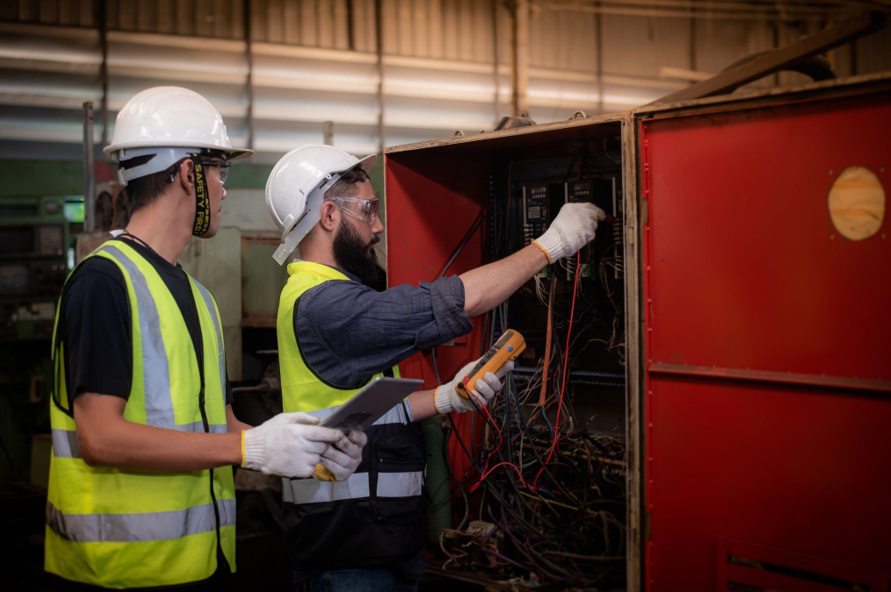
During training, students gain real-world experience in various electrical environments while learning industry standards and safe work practices.
‣ Areas of Practical Experience
Candidates typically accumulate experience in multiple specialty areas, including:
- Residential wiring
- Commercial electrical installations
- Industrial electrical systems
- Underground conduit installation
- Electrical maintenance
- Troubleshooting electrical faults
- Finish work and fixture installation
- Voice, data, and video systems
- Fire and life safety systems
- Material handling and inventory management
Working across different environments helps prepare electricians for the wide range of challenges they’ll encounter throughout their careers.
‣ Documenting Work Hours
Proper documentation is essential.
Applicants should maintain records including:
- Employer verification
- Payroll records
- Pay stubs
- Social Security employment records
- Signed work logs
These documents will be required when applying for state certification.
Step 3: Pass the California Electrician Certification Exam
After completing the necessary classroom education and gaining enough work experience, you become eligible for the California Electrician Certification Examination.
This test measures your knowledge about electrical systems, codes, safety procedures, and general knowledge.
‣ Subjects Covered
The test usually covers:
- Electrical theory
- Electrical calculations
- National Electrical Code (NEC)
- California electrical code
- OSHA work safety
- Grounding and bonding
- Wiring methods
- Installation procedures
- Electrical apparatus
- Load calculations
- Fault finding techniques
The majority of tests usually contain around 100-120 multiple choice questions.
‣ Application Process
In order to apply, candidates need to:
- Submit the certification application
- Show proof of educational training
- Provide evidence of work experience
- Pay fees
- Arrange an exam date
Upon successful completion of the exam, candidates get their California Electrician Certification and can practice individually or as employees of licensed electricians.
People who want to run their own electrical contractor firms need to fulfill licensing requirements set by the California Contractors State License Board (CSLB).
‣ How Long Does it Take to Become a Licensed Electrician?
This depends largely on the path you pursue educationally and the opportunities for employment you may have.
It usually takes four to five years for most people.
- Timeline example:
- Trade school: 8–12 months
- Apprenticeship: 4–5 years
- Experience: About 8,000 hours
- Exam: After finishing your
- Educational requirements
While the process is demanding, graduates can join a stable and rewarding career path.
‣ Different Types of Electrician Certifications in California
California recognizes several electrical certification classifications to match different career paths.
Some common certifications include:
- General Electrician
- Residential Electrician
- Voice Data Video (VDV) Technician
- Fire/Life Safety Technician
- Non-Residential Lighting Technician
- C-10 Electrical Contractor License
Each certification has unique education, work experience, and examination requirements.
Prospective electricians should research which specialization best matches their interests and long-term career goals.
Step 4: Maintain Your Certification Through Continuing Education
Certification is not a one-time achievement.
California requires electricians to renew their certification every three years.
Renewal generally involves:
- Completing continuing education courses
- Learning updated National Electrical Code revisions
- Reviewing new California electrical regulations
- Completing required safety training
- Paying renewal fees
Continuing education helps electricians remain current with rapidly evolving technologies and industry standards.
‣ Career Opportunities After Certification
Certified electricians enjoy a wide range of employment opportunities throughout California.
Potential employers include:
- Residential builders
- Commercial construction companies
- Manufacturing facilities
- Government agencies
- Hospitals
- Schools and universities
- Utility companies
- Renewable energy companies
- Electrical contractors
- Maintenance departments
Experienced electricians often advance into supervisory roles, project management, estimating, inspection, or business ownership.
‣ Skills Every Successful Electrician Should Develop
Other than technical skills, successful electricians also have a number of essential soft skills:
- Being attentive to details
- Problem solving
- Communication
- Time management
- Stamina
- Thinking critically
- Collaboration
- Concern for workplace safety
Having these skills along with technical skills makes an individual a very successful electrician in the long run.
‣ Final Thoughts
Being a certified electrician in California involves an educational and practical path which leads to state certification as well. Although being a long and demanding process, it promises a secure future as a highly paid professional whose position will always be in demand due to high employment rates.
Regardless of whether you will apply for an apprenticeship or a vocational school program, developing a good educational background and gaining practical experience will be your key to success as a certified electrician in one of California’s leading occupations.
Choosing an approved educational program can help aspiring electricians gain the knowledge and hands-on training needed to meet California’s certification requirements and start a successful career in the electrical industry.